
HTTP

Image: Fully Qualified Domain Name (FQDN) explainedFlash­MovieShut­ter­stock

Fully Qualified Domain Name (FQDN) explained

A fully qualified domain name (FQDN) is a domain name that specifies the unique and complete address of a website. It consists of several name parts called labels, each separated by a dot. The FQDN has a hi­er­ar­chi­cal structure set by the domain name system (DNS). The mandatory…

Read more
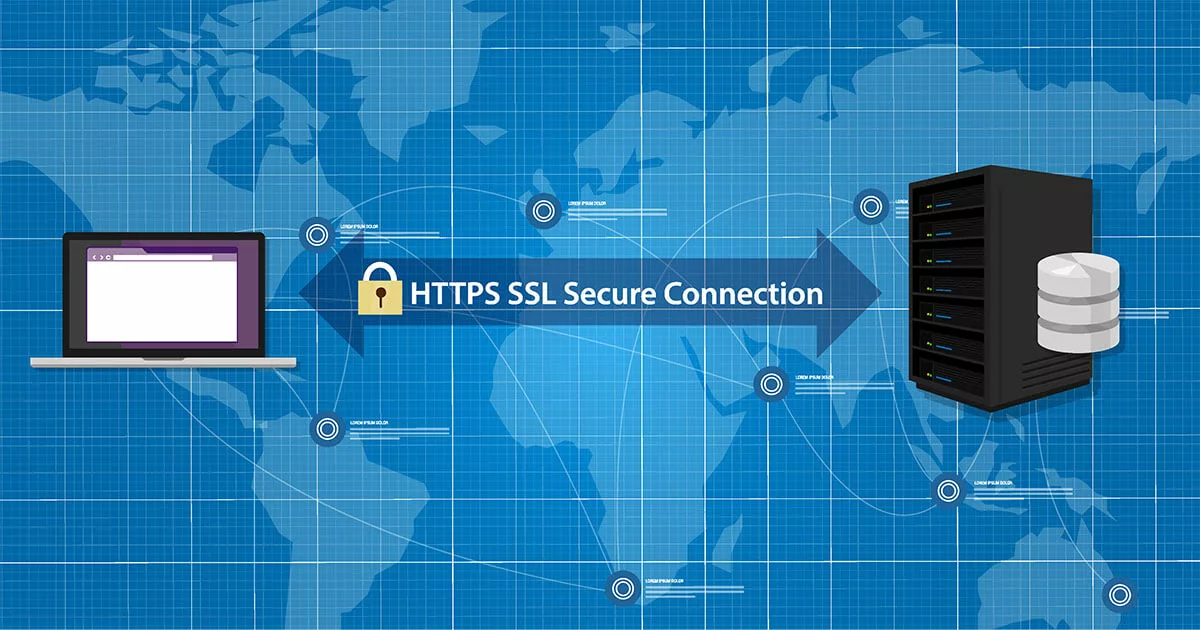
Image: How do you convert a website to HTTPS (SSL)?Bakhtiar ZeinShut­ter­stock

How do you convert a website to HTTPS (SSL)?

Data security is becoming in­creas­ing­ly important in both private and pro­fes­sion­al settings. As a website owner, you should take all necessary pre­cau­tions to make visits to your site as secure as possible and ensure risk-free data trans­mis­sion. By con­vert­ing your website to HTTPS,…

Read more

Image: What does error 404 mean and why does it occur?GajusShut­ter­stock

What does error 404 mean and why does it occur?

HTTP 404 error pages serve as in­for­ma­tion that the requested page is not available. This is frus­trat­ing not only for users but also for website owners, as a broken link can neg­a­tive­ly affect search engine rankings. Such errors are easy to avoid or quickly fix. Creating creative…

Read more
Image: REST (Representational State Transfer)sakkmesterkeShut­ter­stock

REST (Rep­re­sen­ta­tion­al State Transfer)

Combining different ap­pli­ca­tion systems has become in­creas­ing­ly important over the past few years. This trend is es­pe­cial­ly due to the in­creas­ing number of web ap­pli­ca­tions being developed. In order to react to this trend, many different web services were developed that make data…

Read more
Image: NGINX vs. ApacheTimofeev Vladimirshut­ter­stock

NGINX vs. Apache

Apache vs. NGINX – while one is said to be bulky and unwieldy, the other is con­sid­ered slim and high-per­for­mance. But can we be this general? In fact, both web servers are based on fun­da­men­tal­ly different concepts when it comes to con­nec­tion man­age­ment, in­ter­pre­ta­tion of client…

Read more
Image: QUIC: What is behind the experimental Google Protocol?sakkmesterkeShut­ter­stock

QUIC: What is behind the ex­per­i­men­tal Google Protocol?

Quick UDP Internet Con­nec­tions (QUIC for short), is an ex­per­i­men­tal network protocol from Google. Further de­vel­op­ment of the protocol is being driven by IETF, which has set up a dedicated group working towards it. The QUIC protocol is intended to offer a speed-optimized…

Read more
Image: HTTP 503 (Service Unavailable): meaning and troubleshootingRoland IJdemaShut­ter­stock

HTTP 503 (Service Un­avail­able): meaning and trou­bleshoot­ing

It’s very likely that you’ve stumbled on the 'HTTP Error 503 The service is un­avail­able' no­ti­fi­ca­tion or something similar during your daily browsing. The error message appears whenever a web server can’t display the website that the user is trying to access. There are many…

Read more
Image: Error 502 Bad Gateway: Where’s the problem?tradvilleShut­ter­stock

Error 502 Bad Gateway: Where’s the problem?

HTTP status codes emerge when something isn’t running properly on the internet. In this respect, the 502 Bad Gateway error is no exception. But this familiar error message can be par­tic­u­lar­ly tricky: It’s not actually clear where the source of the problem lies. In the chain of…

Read more
Image: How to fix Error HTTP 504 (Gateway Timeout)windwheelShut­ter­stock

How to fix Error HTTP 504 (Gateway Timeout)

If the error message ‘HTTP 504 Gateway Timeout’ appears when you attempt to open a website, it means that the allowed time for re­spond­ing to browser queries has been exceeded. A lot of the time the culprit is not the web server itself, but instead some other component of the…

Read more
Image: What is the Server Name Indication (SNI)?Martin Charles HatchShut­ter­stock

What is the Server Name In­di­ca­tion (SNI)?

What is server name iden­ti­fi­ca­tion, really? En­cryp­tion tech­nolo­gies play a big role when it comes to surfing on the net. Credit card data and other personal in­for­ma­tion must not fall into the hands of criminals. For now, TLS is one of the protocols used for this purpose. But it…

Read more