

Google alternatives at a glance

Google is the most well-known, but by no means the only search engine on the World Wide Web. Google alternatives available include DuckDuckGo, MetaGer and YaCy. Each of these search services come with their own unique advantages, such as better privacy than what Google offers.
Why use a Google alternative?
Many people decide to look for a Google alternative due to the search engine’s downsides or because it is simply too widespread. When it comes to data protection, the California-based internet company has been criticized for years because its services collect information such as users’ metadata. This personal information can then be used for advertising purposes.
Therefore, if you value anonymity, privacy, and data protection, you should consider finding a Google alternative. Other advantages include ad-free use and the fact that commercial search results can be filtered.
Do you want to improve your rankings on Google today? With the rankingCoach from IONOS, you can optimize your website in just a few steps – no SEO knowledge required!
DuckDuckGo — the anonymous meta search engine
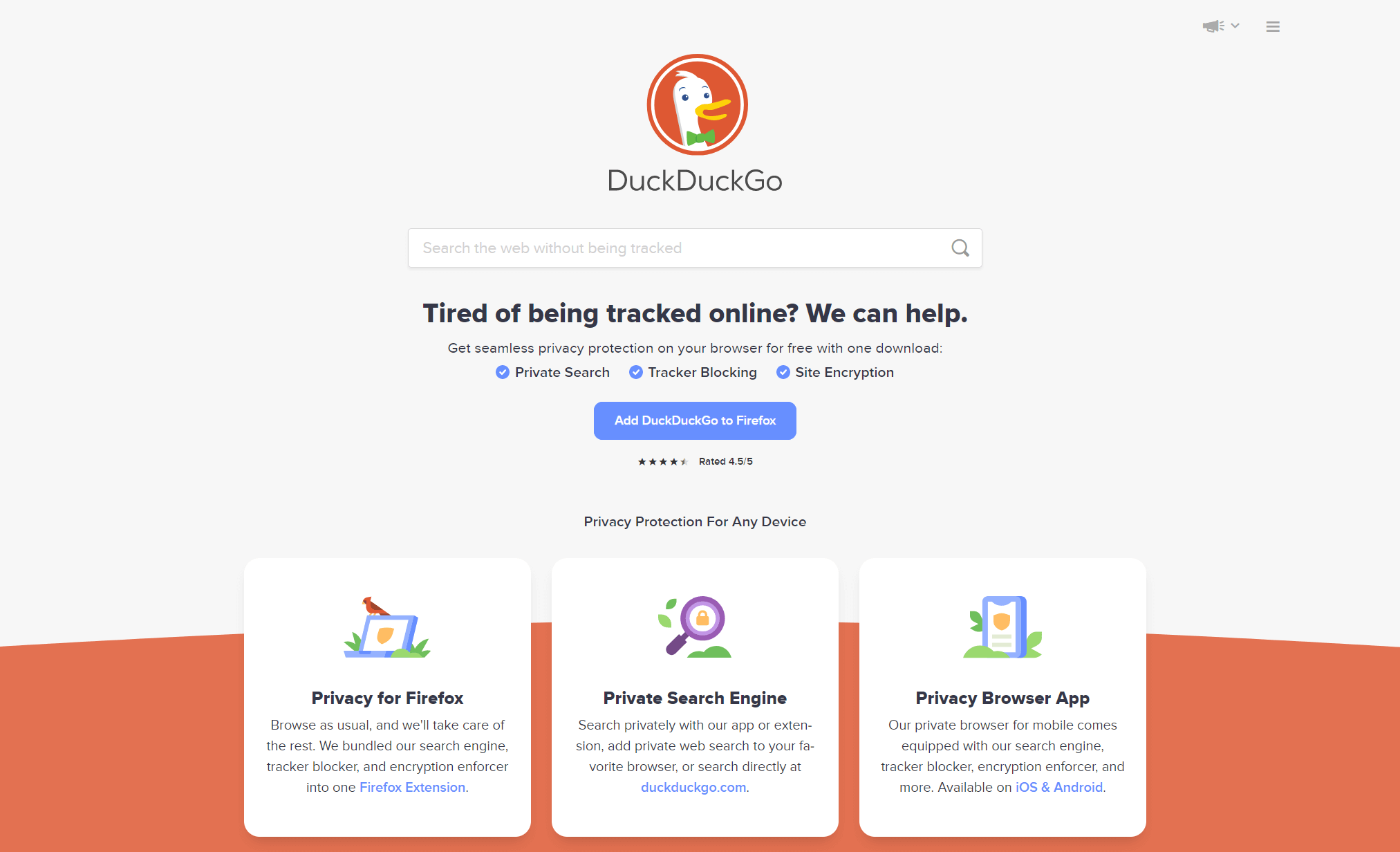
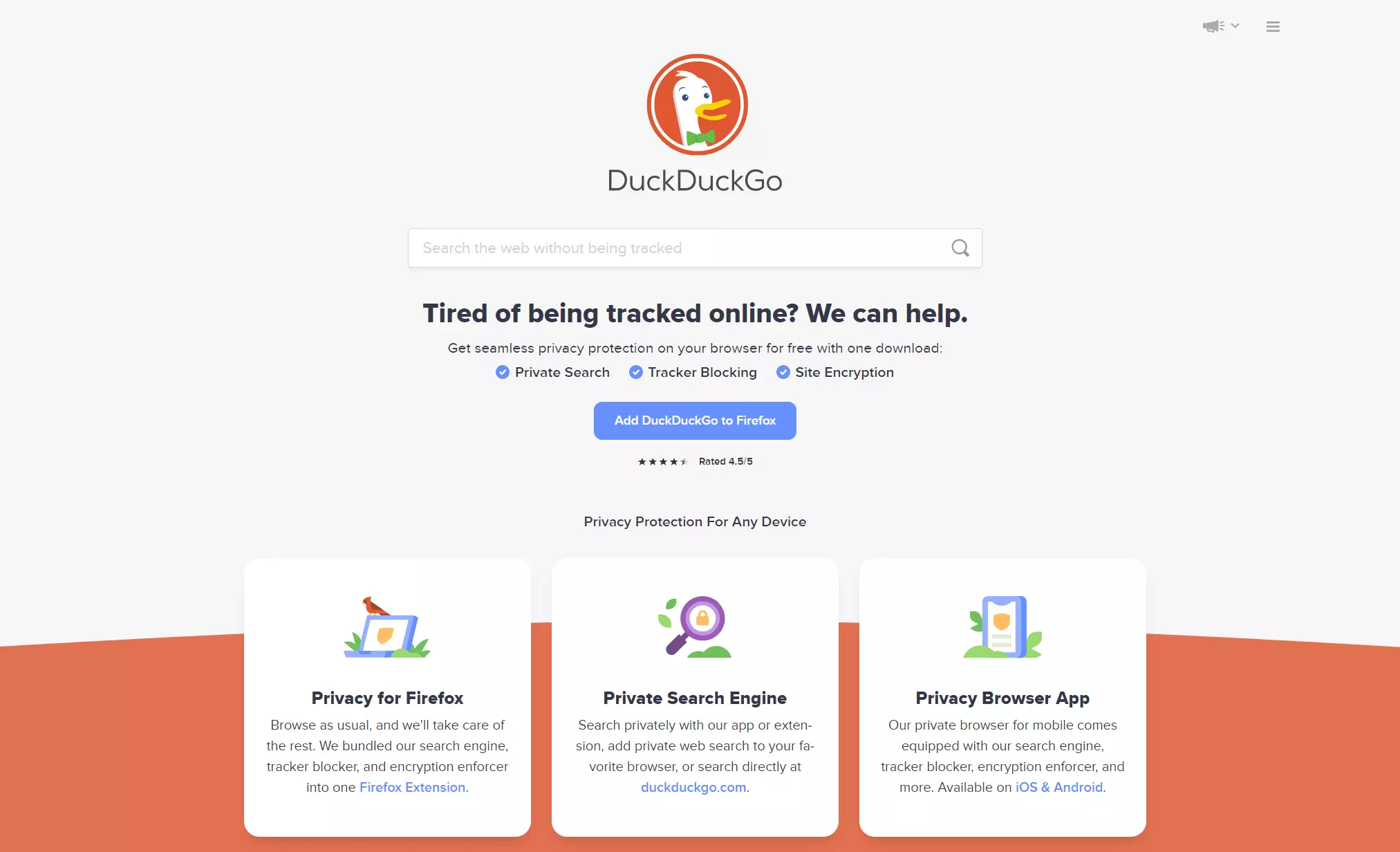
The Google alternative DuckDuckGo is a search engine with high data protection standards. True to the slogan “The search engine that doesn’t track you”, neither your IP address nor your search queries are stored. In addition, instead of personalized advertising, ads are used that are tailored to your search terms.
DuckDuckGo is supported by more than 100 services such as Bing, Yandex or Wikipedia as well as the company’s own crawler DuckDuckBot. In the web search you are offered the possibility to filter commercial search results. In addition, you can save any settings you make for a longer period of time by uploading the information anonymously to a cloud. This makes DuckDuckGo a serious Google alternative for anyone who wants to use an anonymous search engine to protect their privacy.
| Pros | Cons |
| ✓ High data protection standard | ✗ Doesn’t offer as many services as other search engines |
| ✓ IP address and search queries are not stored | |
| ✓ Company-owned crawler, DuckDuckBot | |
| ✓ Option to filter out commercial search results |
MetaGer — meta search engine from Germany
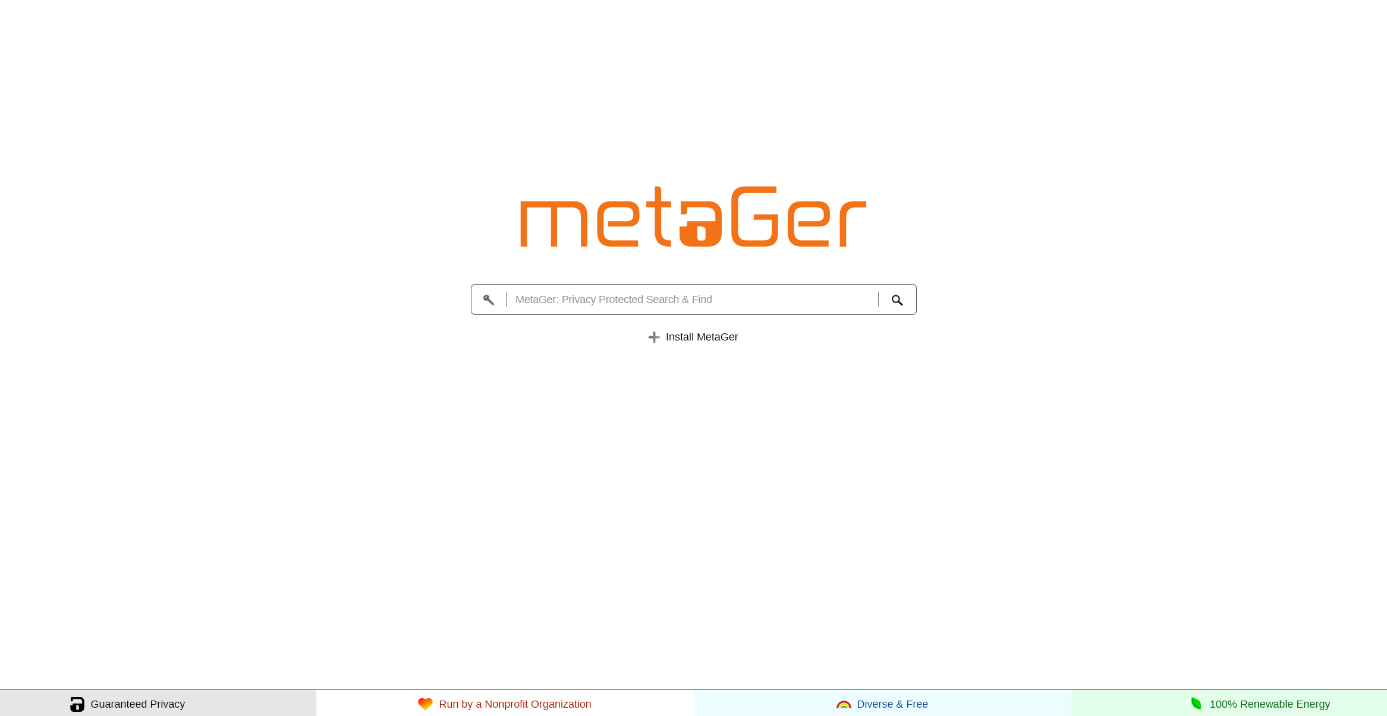
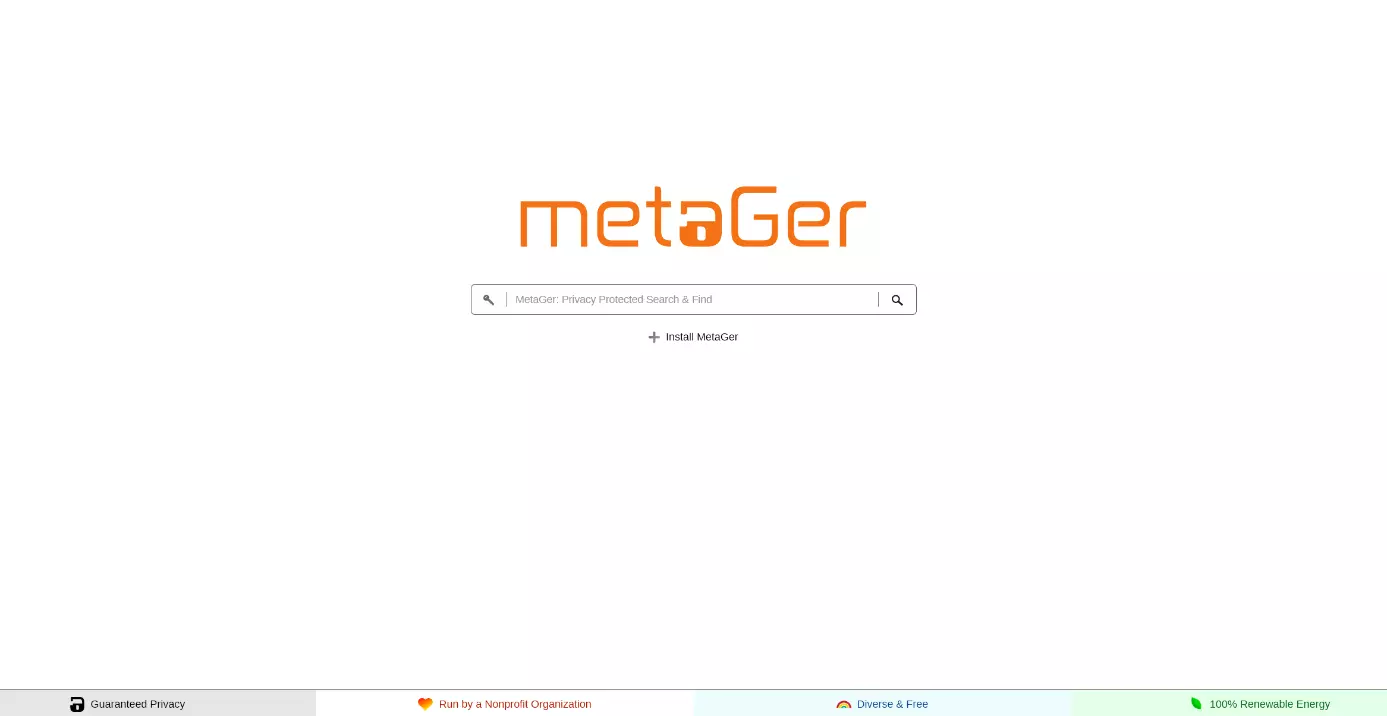
The Google alternative MetaGer is a metasearch engine from Germany, which was developed at the University of Hanover. MetaGer relies on its own index, alternative search engines and web services for web searches. There is the option to become a club member and benefit from ad-free use.
MetaGer’s design is not as user-friendly as other Google alternatives, but this service also offers a high standard of data protection. IP addresses are anonymized during the search and are therefore not passed on to the search engines. In addition, there’s no user tracking, cookie storage or browser fingerprinting. Another advantage compared to Google is the server location. Since all MetaGer servers are located in Germany, the web search is subject to the national data protection guidelines.
| Pros | Cons |
| ✓ Advertising-free use as a club member | ✗ Design is not user-friendly |
| ✓ IP addresses are anonymized | ✗ Some services are only in German |
| ✓ No user tracking & storage of cookies etc. | |
| ✓ Server locations in Germany |
YaCy — search engine with a decentralized approach
With the Google alternative YaCy (which can be downloaded as software), you become a search engine operator yourself. With its peer-to-peer approach, the open-source project takes a completely different approach than conventional search engines. Instead of running on a web server, the free software runs directly on your computer. This has the advantage that search queries are not transferred to a server and your data always remains with you.
You create a decentralized search network by connecting to other YaCy users. You also get to decide which pages the search engine has in its index by simply starting your own web crawler and specifying which pages it should access. The ranking is created by users upgrading or downgrading results. This collaborative search network can therefore not be censored or be down at any time.
| Pros | Cons |
| ✓ Open source | ✗ Software must be downloaded |
| ✓ Peer-to-peer/decentralized network | ✗ Ranking dependent on users |
| ✓ Data stays on individual PC | |
| ✓ Search network is not censorable |
Are you looking for a child-friendly Google alternative? In that case, you should consider a search engine for kids. They ensure that children are only shown content that is appropriate for their age.
Reviewer

Melissa Senn
Melissa Senn has been with IONOS since 2016 and focuses on the areas of websites, e-commerce, social media, and AI in the Digital Guide. As a digital strategist, she draws on her extensive SEO and GEO experience to translate complex technological trends into practical content.