

Emotional marketing: definition and examples

Emotional marketing aims to connect to the consumer on an emotional level by way of visual language, colors, music, and storytelling. People make most of their decisions unconsciously – so why not get through to your customers this way? Using emotions in marketing can not only lead to more loyal customers, but also to more satisfied customers.
What is emotional marketing?
In his book, “How customers think”, the Harvard Business School professor Gerald Zaltman explains that 95 percent of customers make their buying decisions subconsciously. According to Zaltman, even customers who compare prices, brands, and products do not know what really drives them to buy. Although they think they know, they often look for non-rational reasons for why they made emotionally driven decisions.
An experiment by psychologists Kirsten Ruys and Diederick Stapel from Tilburg University supports this assumption. In 2008, they exposed 100 student test subjects to a series of flashes of light. The students were asked to decide which side of a screen the flashes appeared on. They had no idea that for fractions of a second, they saw images that triggered emotional reactions.
Following the experiment, the test persons completed word series and - depending on whether they had unconsciously seen negative or positive images - chose words that expressed disgust, sadness, anger, joy, or fear. The pictures had demonstrably created different moods in them.
Emotional marketing: a definition
Many marketing experts are fascinated by the smooth transition between consciousness and subconsciousness. By developing concrete emotional marketing strategies, marketers try to guide customers through such subconscious processes to make a purchase decision. Ideally, emotional marketing does not only elicit certain moods but ensures that consumers associate a brand with a mood and develop sympathy and brand loyalty.
In neuroscience, scientists distinguish between emotions and feelings. Emotions are phases that we are able to formulate which people experience consciously. In contrast, emotions are formed by our limbic system: an area of our brain that is so old that it is not subject to consciousness. If we encounter a wild animal or an attractive person, the limbic system immediately decides whether this is a good or bad stimulus. Through emotions such as fear, joy, or infatuation, the limbic system triggers reactions that we only become aware of through palpitations, nervousness, sweating, or rapid breathing. And this is exactly what emotional marketing wants to achieve: A positive emotional reaction, even before the potential customer’s conscious decision-making sets in.
Emotional marketing during political campaigns
Marketing that only emphasizes rationally measurable benefits, innovations, or the low price of a product ignores how our brain works. Advertising messages are effective above all when they emotionally charge the product and the brand. However, it’s not enough for customers to switch off their brains and make gut decisions. Emotional marketing must rather make a brand appear likeable and trustworthy by addressing emotions.
Political election campaigns are a good example of this. An election campaign won’t win voters’ hearts through rational ideas. Instead of using arguments, election posters usually advertise with simple slogans, eye-catching messages, and trigger words. They address fears, anger, and hopes, and manipulate voters on an emotional level.
Donald Trump’s election slogan “Make America Great Again!” from 2016 or Barack Obama’s “Yes, we can!” campaign from 2009 are current examples of the effectiveness of emotional marketing. Instead of formulating concrete election goals, the emotions of the voters were addressed with very general messages. And this obviously had a stronger effect than rational arguments.
Obama’s and Trump’s slogans are good examples of emotional marketing. However, distinctive slogans alone do not make a marketing strategy stand out. A good strategy does contain rational arguments while also generating emotions. There are various strategic means and methods for finding the right balance and emotionally connecting customers to a brand message.
Reaching the right target audience
Even before you decide on the “how” of emotional marketing, you should know who you have to address. Whether in B2C or in B2B marketing: Each marketing strategy requires that you determine the target audience and narrow it down by way of market segmentation. Important demographic factors including age, gender, and marital status should be taken into consideration. Find out about socio-economic characteristics such as your target audience’s professions or educational background and psychographic factors such as lifestyle, values, and opinion formation. Other important aspects include media use, price sensitivity, and buying behavior. Evaluate your available statistics to obtain this data. After all, every target group has different things that trigger their emotions and are important to them. In other words, you need to know your target group in order to address their emotions in a targeted manner.
The full (color) spectrum of emotions
Colors are one of the most important sensory stimuli. Ninety-three percent of all customers base their purchasing decisions on visual impressions. For 85 percent of those customers, color is the triggering factor. The perception of colors leads to biochemical reactions in the body. In other words, the brain associates colors with emotions.
Our ancestors identified hazards, food, and poisons, for example, by means of colors. Two of these instinctive and marketing-centric signal colors are red and yellow. They arouse attention and interest and are both alarming and a warning sign. Blue, on the other hand, is the color of choice for top brands – as seen in the logos of Facebook, Twitter, Intel, HP, or Samsung. That’s because many people associate this color with stability and security. Blue is, therefore, the color for emotional branding.
Colors can intensify emotions in marketing. Knowing which colors subconsciously trigger and intensify emotions is the first step to successful emotional marketing and branding.
Emotional marketing through music
Music has always aroused strong feelings in people. And on top of that, music fans are often the most loyal fans. Advertising has also long relied on music in the form of advertising jingles in order to anchor brands and boost their memorability. One example of this is Apple’s advertising campaign for what was at the time the new iPod, for which the company used renowned musicians such as U2 for emotional marketing campaigns.
In marketing, music is an important tool to hit customers in the heart, to charge brands with strong emotions, and to increase brand value through popular and catchy music.
What kind of emotions should marketing trigger?
Think of the film industry. In a comedy, you don’t want the audience to feel fear and terror. In horror films, people shouldn’t involuntarily burst out laughing. Think about the emotions you want to trigger in the customer. There exists a whole range of core emotions that are the focus of marketing and content creation. Our emotional marketing examples will take a closer look at these.
Happiness/joy
If your brand is able to make customers happy through advertising, you’ll increase their interest in your brand while leaving a lasting, positive impression. Content that generates positive emotions is often clicked on and shared several times by the same people, because people are reluctant to surround themselves with negative news. So, if you manage to link your own brand (in the long term) with emotions such as joy, you can expect a boost in click rates and, in many cases, increased sales figures.
 To display this video, third-party cookies are required. You can access and change your cookie settings here.
 The soft drinks manufacturer Coca-Cola, for example, is known for charging its brands with positive emotions – and is very successful in doing so.
Sadness
At first glance, mourning does not seem appropriate when it comes to addressing emotions through marketing. But grief often leads to a higher receptiveness of customers and awakens empathy. You may remember the “The Greatest Gift: This is My Wish” advertising campaign by Glade, which became a viral sensation. An old man is alone for Christmas. A young couple decorate their home for Christmas. When the old man returns home, he finds string lights outside his home and the young woman watching smiles and cries as the old man rejoices. The deliberate use of sadness captured viewers’ attention and provided a valuable visual experience, which increased Glade’s brand value.
 To display this video, third-party cookies are required. You can access and change your cookie settings here.
 Numerous charity organizations also use mourning to appeal to the “bad conscience” of the population and in doing so increase people’s willingness to donate. For many people, the unpleasant feeling of a guilty conscience triggers their participation, helping them bring an end to their negative state of mind.
Fear
A study by the UBC Sauder School Of Business found that product placement works best when viewers are afraid. In the study, test subjects watched film clips containing product placement. It was noticeable that the test subjects remembered product placements in clips from horror movies. Products that we see in a state of fear or insecurity become an anchor for the unconscious. The test subjects developed a bond with the brands and remembered them more easily and quickly.
Horror novels and detective stories are among the most successful genres on the book market. Horror films and thrillers are an integral part of film distribution and streaming services. They shape generations and offer enormous brand reach. However, the combination of marketing and fear requires good instinct. After all, your brand should leave an impression, but not be badly remembered.
Our examples illustrate the ambivalent effect of using fear in advertising: Studies conducted by the UGA Grady College of Journalism and Mass Communication showed, among other things, that anti-smoking campaigns can even increase tobacco sales. Young target groups were more likely to be encouraged to smoke because of disease patterns on cigarette packets or authoritarian no-smoking campaigns. Campaigns aimed at changing the social context, i.e. making young people feel that smokers are on the fringes of society, tended to reduce sales.
 To display this video, third-party cookies are required. You can access and change your cookie settings here.
 An anti-smoking campaign by the New Zealand anti-drug organization Quitline in 2020 showed what a powerful effect fear and grief can have in advertising. The clip “Quit for your pets” accompanies a dog owner and his dog and shows how the dog falls ill with cancer due to his owners’ chain smoking lifestyle. The clip made headlines as one of the most heartbreaking anti-smoking campaigns and hit pet owners especially hard.
In the insurance sector, marketing works through fear by making it clear to customers which risks a policy can protect them against.
Surprise/amazement
Surprises remain in the memory. Content that astonishes users is also very often shared on the internet. Joyful and astonishing surprises trigger immediate reactions. One of the most famous “surprise” campaigns is the drum-playing gorilla, which had nothing whatsoever to do with the Cadbury milk chocolate being advertised, but was remembered by all viewers because of the element of surprise.
Anger/disgust
Anger and disgust are emotions that not only trigger feelings, but lead to intense reactions. Animal and environmental protection organizations such as WWF, PETA, or Greenpeace rely on anger and shock effects to shake up their target groups. Here, just like with fear and mourning campaigns, negative emotions are used, but these are intensified by an element of surprise. This not only leads to customer engagement, but also increases the advertisement’s reach.
 To display this video, third-party cookies are required. You can access and change your cookie settings here.
 The use of images in emotional marketing
Pictures speak for themselves. The brain records and reacts to pictures 60,000 times faster than to words. An emotionally charged image appears much faster and clearer than any text. Whether it’s the landing page of a business website, advertising posters at bus stops, or sponsored ads online. Images have to embody the brand they are representing. After all, nobody wants to lose out on the first impression.
Nowadays, anyone who scrolls through social media is inevitably confronted with memes. Memes combine impressive or familiar images, videos, and GIFs with text and are currently among the most powerful content in the social media world. No wonder that brands like Gucci, Netflix, or Sixt have already ventured into meme marketing. If the image-text combination works, your content will be shared a thousand times and will spread by word of mouth alone in no time.


Storytelling
Storytelling is an essential component of emotional marketing. The sympathy factor is decisive for customer loyalty and commitment. And sympathy is best achieved through good storytelling. Bell’s had a famous commercial a while back when they advocated for adult literacy through their advert. The story itself has nothing to do with the product, but the story that is created in the short space of the advert is so memorable, that Bell’s the brand would stick in a customer’s mind, because they would remember the story and therefore the advert.
 To display this video, third-party cookies are required. You can access and change your cookie settings here.
 One brand that stands out particularly through storytelling and has gained significant brand value is Apple. Apple represents storytelling in itself, because Steve Jobs’ life story is like a myth for Apple fans and is part of Apple products’ DNA. In addition, the harmony of the brand across its own software and the iTunes shop gives Apple exclusivity and increases its brand value. Product presentations of new iPhones also build on carefully plotted strategies and use suspense, curiosity, and desire like a good story.
Another example of original storytelling that combines emotions and marketing is Blackberry’s collaboration with author Neil Gaiman. In 2013, Blackberry asked its customers to design a story calendar with Neil Gaiman. Gaiman posted a question on Twitter for each month of the year and wrote a short story based on his fans’ answers. Blackberry made the finished story calendar available free of charge on a sponsored interactive website, featuring drawings from fans.
Good brand storytelling doesn’t only trigger emotions, but also lets customers experience an emotional adventure. In psychology, this is referred to as narrative transportation. This is when listeners or viewers immerse themselves in the story and build a bond. Emotional marketing with strong narratives attracts attention and grows interest.
Don’t be afraid of bold statements
In the past, big brands have not shied away from making big and bold statements. Taking a stance in regard to socio-political issues is usually well received by customers. Beyond Meat ran a successful campaign arguing for all the positive effects of going meat-free, showing how it can positively impact each corner of our society. The campaign was not moralistic, but showed how realistic their goal was, making their audience feel good and like they could make a change.
 To display this video, third-party cookies are required. You can access and change your cookie settings here.
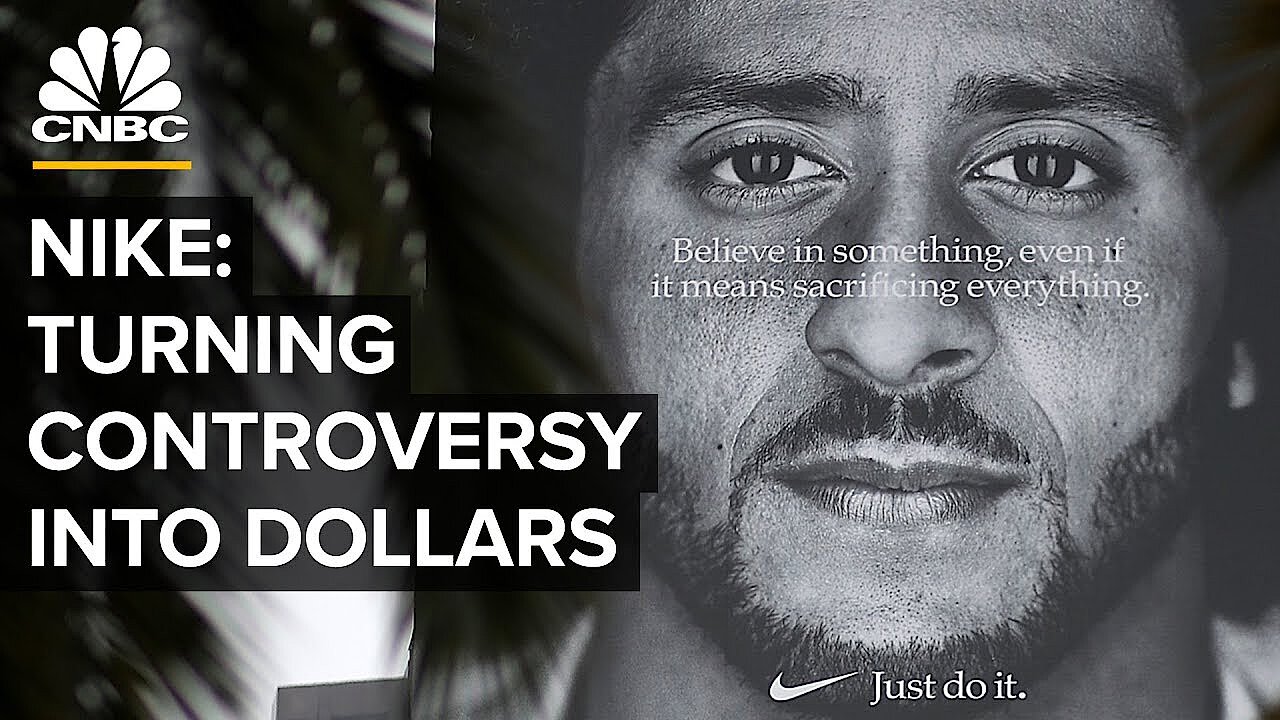
 By acting politically, a brand consciously combines emotions and marketing. The sports brand Nike took a stand against racism when it made NFL athlete Colin Kaepernick the face of its advertising campaign. Kaepernick protested against racism and police violence in 2016 by kneeling with other athletes during the US national anthem. Nike made this part of its brand positioning and took a stand.
 To display this video, third-party cookies are required. You can access and change your cookie settings here.
 But brand positioning also carries risks. Gillette’s recent campaign titled “The Best Men Can Be” proved just this. By openly opposing toxic masculinity and sexism in a viral advertising clip, Gillette drew criticism from its own male target group, some of which felt unnecessarily lectured. As a result, the advertising clip quickly became the YouTube video with the most dislikes.
Nevertheless, socio-political commitment can link your brand to values and ideals that customers perceive as positive.
Made for one another: emotional marketing and online marketing
The future of emotional marketing is online. The world is becoming ever more networked. Companies are well advised not to rely solely on classic market communications and advertising outlets such as newspapers, magazines, radio, television, cinema ads, and posters. Social media, messenger services, apps, and streaming portals are ideal for advertising, since younger target groups in particular can be reached there.
The more you connect your brand is through online marketing, the more people can be reached and the greater your opportunities in terms of emotional marketing will be. Emotional marketing strategies can be perfectly implemented online, for example, by employing guerilla marketing methods or influencer campaigns.
Having your own website is the ideal basis for emotional marketing on the internet. IONOS offers easy-to-use homepage building blocks to set up web projects of any size. Thanks to intuitive and straightforward tools, you’ll be able to create a platform for emotional marketing in no time.