

API - Application Programming Interface

Just like a user interface enables communication between humans and machines, APIs enable communication between different software applications. Thanks to these interfaces, data can be transferred back and forth in an orderly manner. This even works when the applications were created in different programming languages.
- DNS management
- Easy SSL admin
- API documentation
What is an API?
API stands for application programming interface. As the name suggests, APIs allow external programmers to access certain functions. The interfaces act as the entry point to another software program. Both programs can use the API to communicate with each other, exchange data, and issue commands. And this is possible with desktop software as well as mobile apps, and web applications. An individual program can also be designed so that various modules communicate with one another via interfaces.
An application programming interface is an interface that connects various programs together and standardizes data transmission and the exchange of instructions between the program modules.
Why do we need APIs?
Nowadays, APIs are used by various software manufacturers to make it easier for programmers to access software components. SAP, Amazon, and Google offer APIs for different application areas, for example. These interfaces allow developers to perform different tasks:
- Forward a developer’s instruction to a software program and receive its response
- Insert content in web services
- Reuse app codes by networking programs
- Control access for other programmers
In daily use, APIs are used in web services for instance. When booking a flight, you can ask a suitable search engine to find all flights and flight prices for a certain destination and date. As soon as you click on “Search”, the website will start to communicate with the APIs of the individual airlines to find out prices for the destination. This all happens in a matter of seconds and you, as the customer, quickly receive an overview of available flights. But how exactly does it work?
Fancy programming a mobile app? Our starter guide on mobile app design has all the information you need.
How do APIs work?
Although they benefit end users, APIs are primarily intended for programmers. The application programming interface is typically provided by software developers so that programmers of other applications can use the interface. The programming interface defines how information and data are accepted and returned between modules. For instance, Google has released an API that enables other programmers to dock their own applications to Google services. Here, a dedicated standard is used which the external software has to follow.
The REST protocol is highly popular for communication between applications – especially within the web. A REST API uses the same commands as HTTP. The instructions are not complex and, therefore, make information exchange quite easy. What’s more, the basic protocol simplifies the process of establishing a connection to the API for programmers.
So, standardization is vital in order to use the programming interface – regardless of which protocol is used for exchange. Moreover, it’s important to show other programmers how to use the interface properly. That’s why an API is often provided with extensive documentation on syntax and function.
 To display this video, third-party cookies are required. You can access and change your cookie settings here.
What types of API exist?
There are generally four different classes of programming interface:
- Function-based APIs
- File-based APIs
- Protocol-based APIs
- Object-based APIs
The choice of class depends on the relevant area of application. Function-based programming interfaces are relatively complex. For example, they enable developers to access hardware components. But only functions are accessed. File-based APIs enable connections at the file level. This way, data can be requested and written. The protocol-based interface provides standardized communication between programs and does not depend on the operating system or hardware. Lastly, object-based APIs are more versatile.
A differentiation can also be made between internal interfaces and public APIs. Private interfaces are only available within an organization. They are often used to connect a company’s own functionalities, allowing employees or customers to gain access to private networks. Public interfaces are available to anyone and can often be used conveniently by software developers. Google, Amazon, eBay, Facebook, Twitter, and PayPal are good public API examples. Many providers (such as Google) also actively invite developers to participate in their API development.
What advantages do APIs have?
APIs provide a number of advantages and for different groups of people: end users benefit from programming interfaces just as much as the developers do.
Developers who equip their programs with good programming interfaces can expect to achieve greater distribution. Since this makes it easier for other programmers to interact with the software, applications with effective APIs are preferred. External developers can significantly expand the functional scope of their own software by building connections with other applications. Ultimately, it’s primarily the users who benefit from the interface connections: APIs enable them to combine a wide range of programs with ease and enjoy greater convenience.
Example: APIs and SDKs for Google Maps
Google Maps is a well-known service for integrating APIs. The popular online maps were released in February 2005 and have since been part of everyday life for many people – on desktop computers and smartphone apps.
On the Google Maps platform, developers can find SDKs (software development kits) and APIs to integrate with their own apps, programs, and websites. This allows the functions of Google Maps to be quickly and easily integrated into other applications. With the Maps JavaScript API, for example, website owners can conveniently insert interactive maps. This is especially useful for shops or restaurants whose business success often depends on whether customers are easily able to find and visit their premises.
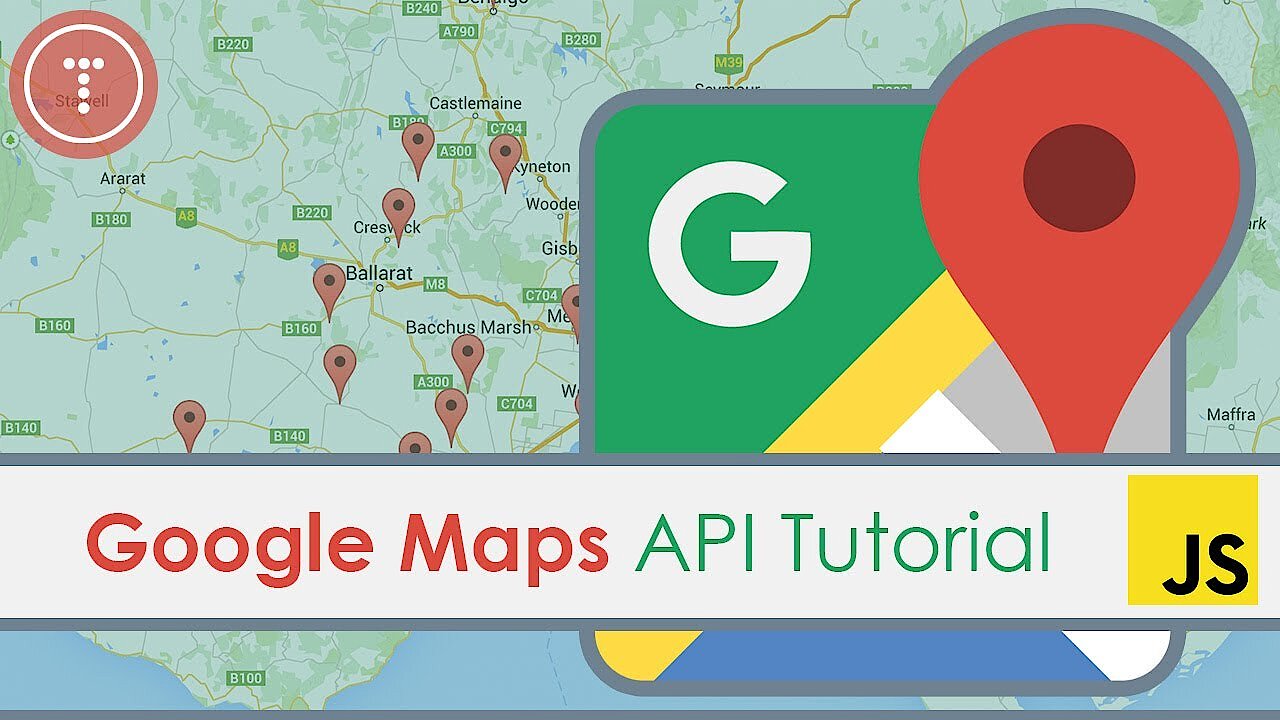 To display this video, third-party cookies are required. You can access and change your cookie settings here.
How to test APIs?
When integrating application programming interfaces into programs or applications, it’s important to first test them to make sure everything works as intended and the APIs don’t take too long to access information. Developers who write their own APIs should also test them first. Fortunately, it’s now relatively easy to test APIs – not least thanks to applications like Postman or CURL.
Postman makes it possible to test API access defined by the user. Developers can import and try out their API specifications. Postman also offers schematic support for formats like RAML, WADL, OpenAPI, and GraphQL. APIs can be tested both in their initial stages and in their final state. The pricing structure of Postman varies depending on the scope of requirements. Smaller teams can design and test APIs for $12 per user per month, while larger companies are best served with Postman Business for $24 per user per month. An enterprise package is available for companies with more than 100 users.
CURL is a command line tool for testing APIs. It requires a good understanding of command line functions. It’s not as convenient as Postman and doesn’t offer a graphical user interface. But CURL is free of charge. The documents on various topics can be viewed on the CURL project page.
| Postman | CURL |
|---|---|
| Prices start at $12 per month. | Free, open-source |
| Platform-based | Command line tool |
| Postman allows APIs to be tested in detail | CURL is used more frequently for quickly viewing HTTP headers |
- Fast page loads while cutting costs by 60%
- Keep your site open 24/7 with 99.99% uptime
- Never run out of space with unlimited storage
Reviewer

Christian Heldmaier
Christian Heldmaier is an experienced online marketing and SEO specialist from Karlsruhe. He has been working as an SEO Manager at IONOS since July 2020.