

GitHub Alternatives

GitHub is an important tool for most developers since it enables them to use the benefits of code hosting to access a project centrally. Users can contribute to a project no matter where they are in the world and save their changes independently of one another. In contrast to other service providers that manage open source software, the project doesn’t concentrate on collecting source codes, but the possibility of using individual repositories (directories that are managed with Git). GitHub users can either use Git or Subversion as a VCS (Version Control System) to manage, maintain, and deploy their software projects.
With centralized version control systems such as CVS or SVN, source codes or other files are saved in a repository or project archive. From there they can be loaded onto other computers. After the processing is finished, the modified files can be re-imported into the repository and any changes are also logged.
Advantages and disadvantages of using GitHub
One advantage of GitHub is that the service allows unlimited free public code repositories for all users. However, a monthly subscription is required for private repositories. In GitHub, you can also create ‘organizations' that essentially act as regular accounts with at least one user account acting as the owner.
However, in some cases there may also be limitations in GitHub’s usability and efficiency. Sometimes there are complications between the client and the employer, for example, when a private server is hosting the generated code. Another reason for needing an alternative to GitHub is when you wish to use another VCS that isn’t supported by GitHub. There are some good GitHub alternatives, five of which are presented below.
GitLab
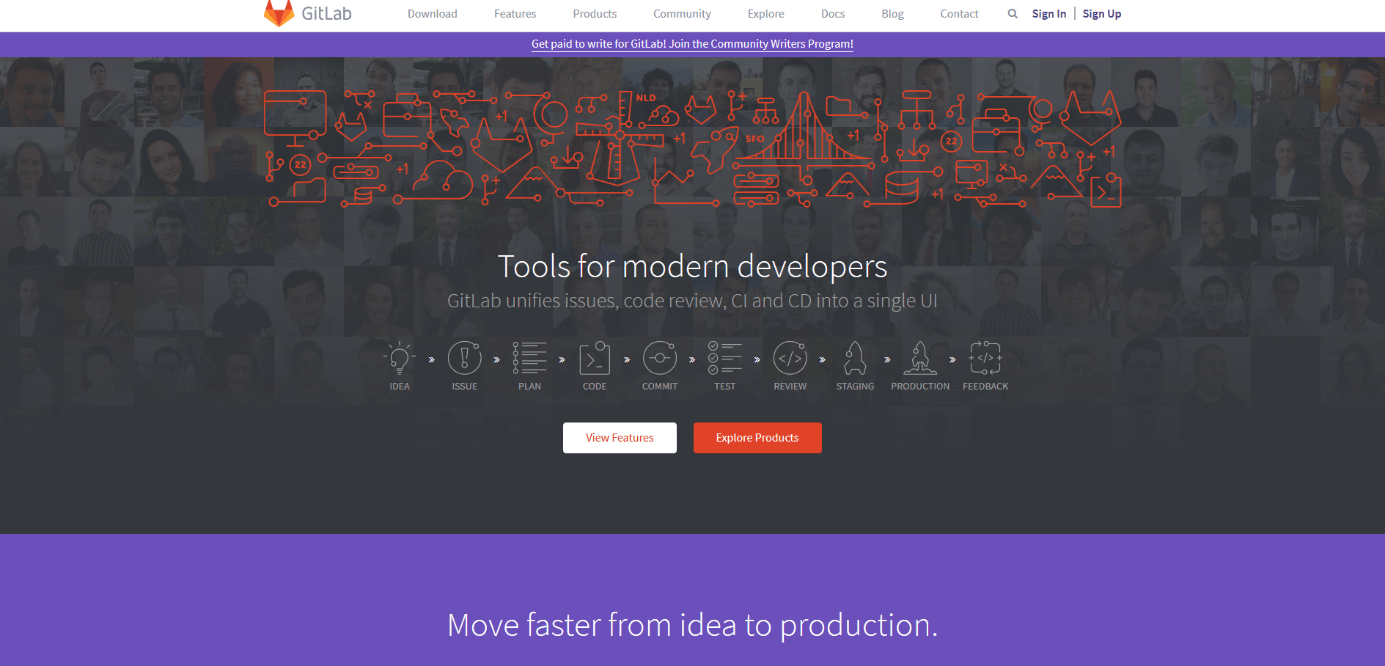
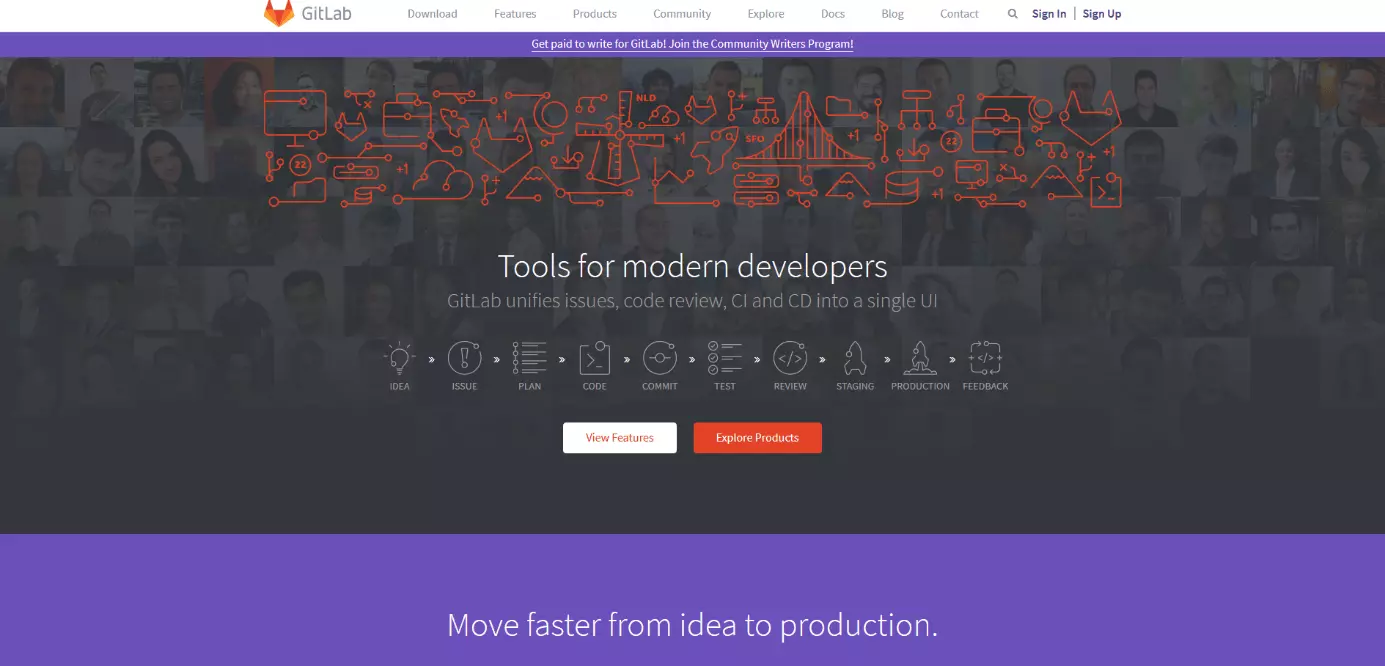
GitLab offers many useful features in its DVCS such as an integrated project wiki and a project website. GitLab’s continuous integration capabilities test and deliver your code automatically, which saves time in the test phase. With GitLab, you get easy access to all the important aspects of your project through a code viewer, pull requests, and practical conflict resolution. The application was mainly written in Ruby.
SourceForge
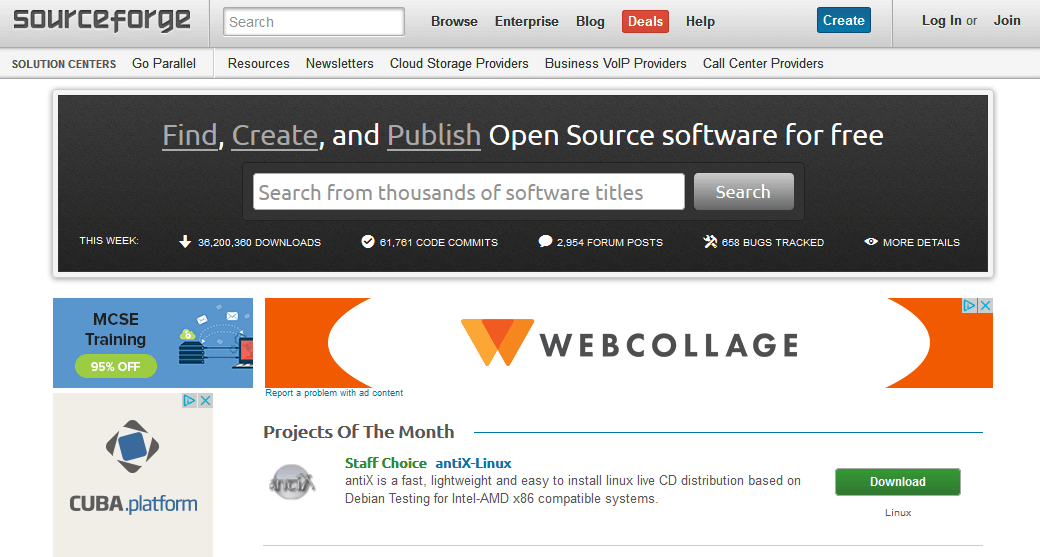
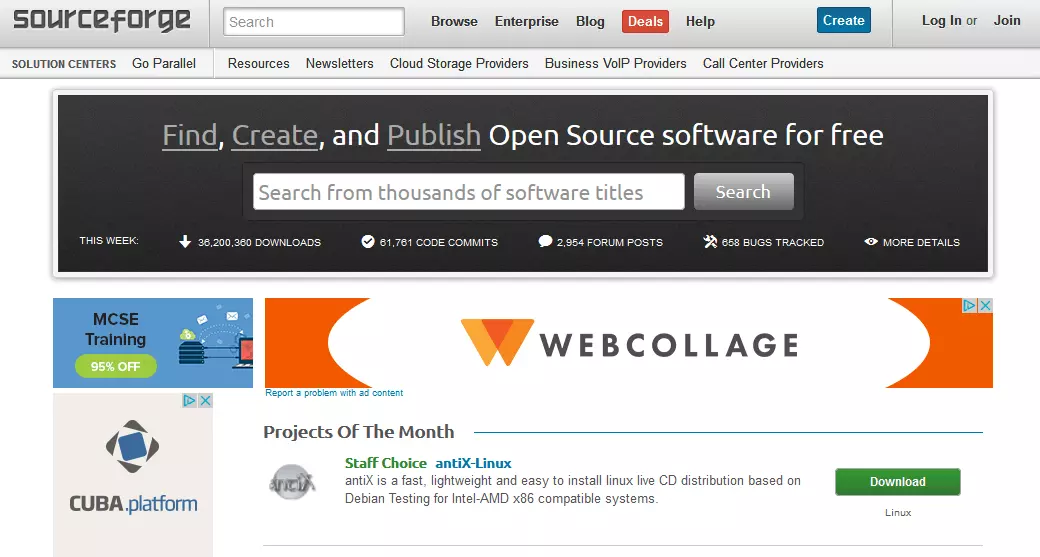
SourceForge actually existed before GitHub and other open source alternatives and used to be the first choice when it came to open source solutions. The company had some problems with malware in 2015, but has been back on track since January 2016. SourceForge now offers multi-factor authorization, which echoes how conscientious the software is when it comes to security. Other features include issue tracking and a built-in code directory.
Cloud Source Repositories
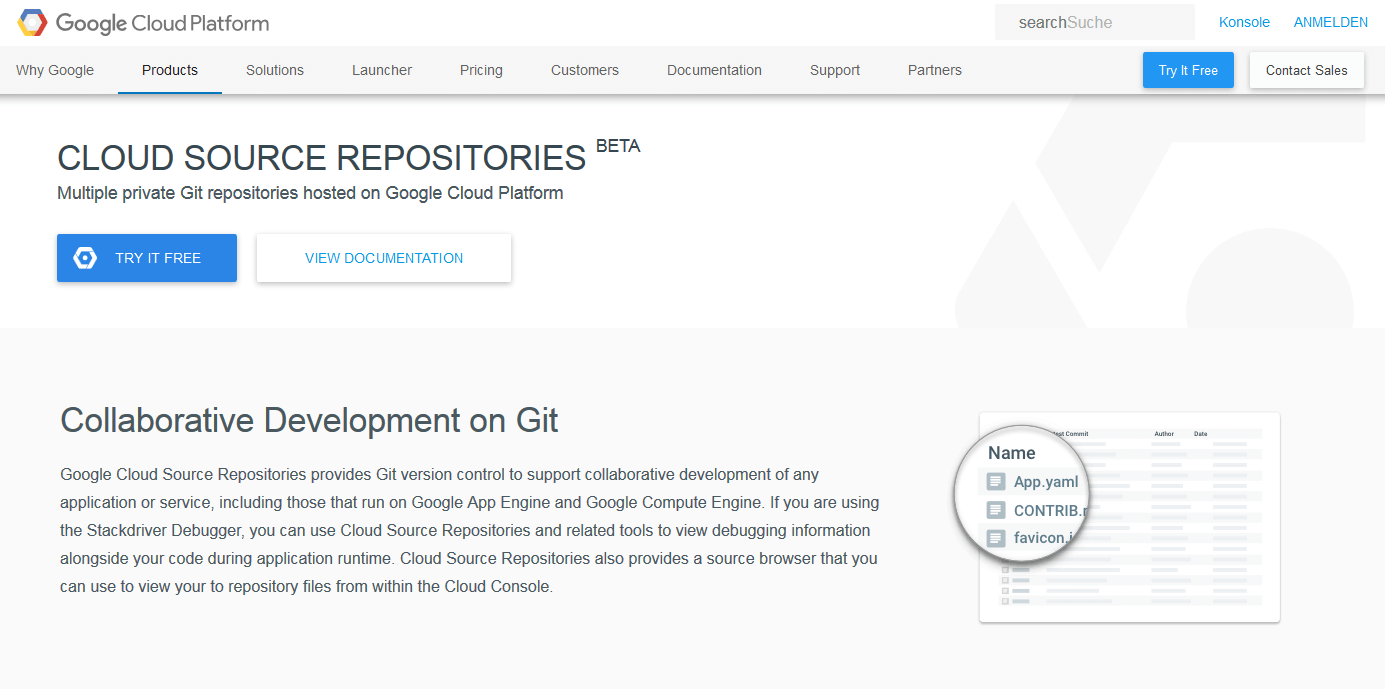
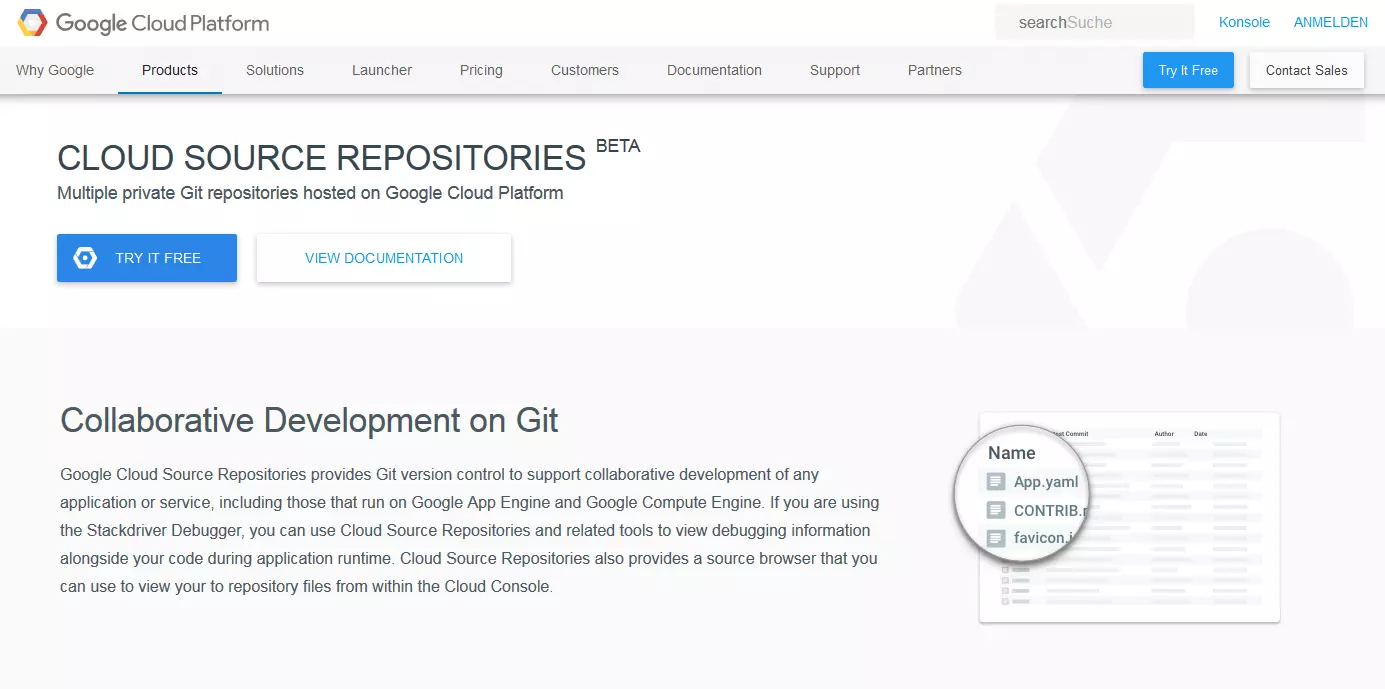
After Google Code flopped, the service merged with Google Cloud platform’s version control. Using Cloud Source Repositories, which is in the beta phase, other repositories can be connected via GitHub or Bitbucket as required. You can also use Google’s own repositories where your files are saved as part of the complete Google infrastructure so you can be sure your code and applications are secure. The best advantage of Cloud Source Repositories: you can search for code directly through the browser and also track bugs through Cloud Diagnostics, while your code runs in the background.
GitKraken
GitKraken puts a lot of emphasis on saving time which benefits the user while testing the code. The system is known for its sizeable interface, its focus on speed, and its simple Git operation. With a practical undo button, any errors can be revised immediately, which simplifies the workload. The free version is available to companies with fewer than 20 employees and non-profit organizations. The pro version offers additional useful features, such as profile support so that various projects can be separated from each other.
 To display this video, third-party cookies are required. You can access and change your cookie settings here.
Apache Allura
Allura is an open source software from Apache and is used for managing source code repositories, bug reports, discussions, wiki pages, blogs, and other online content. When it comes to issue tracking in Allura, you can use markdown formatting and file attachments as well as issue tickets with so-called milestones. An advanced search syntax is also available, which you can use to store frequent search queries. However, code verification isn’t possible with this system. The platform was developed with Python.


Reviewer

Julia Hertler
With over 18 years of experience in content marketing, Julia Hertler has deep expertise in digital communications. For the past 10 years, she has specialized in the areas of domains and hosting at the IONOS Digital Guide, making complex technical topics easy to understand.